
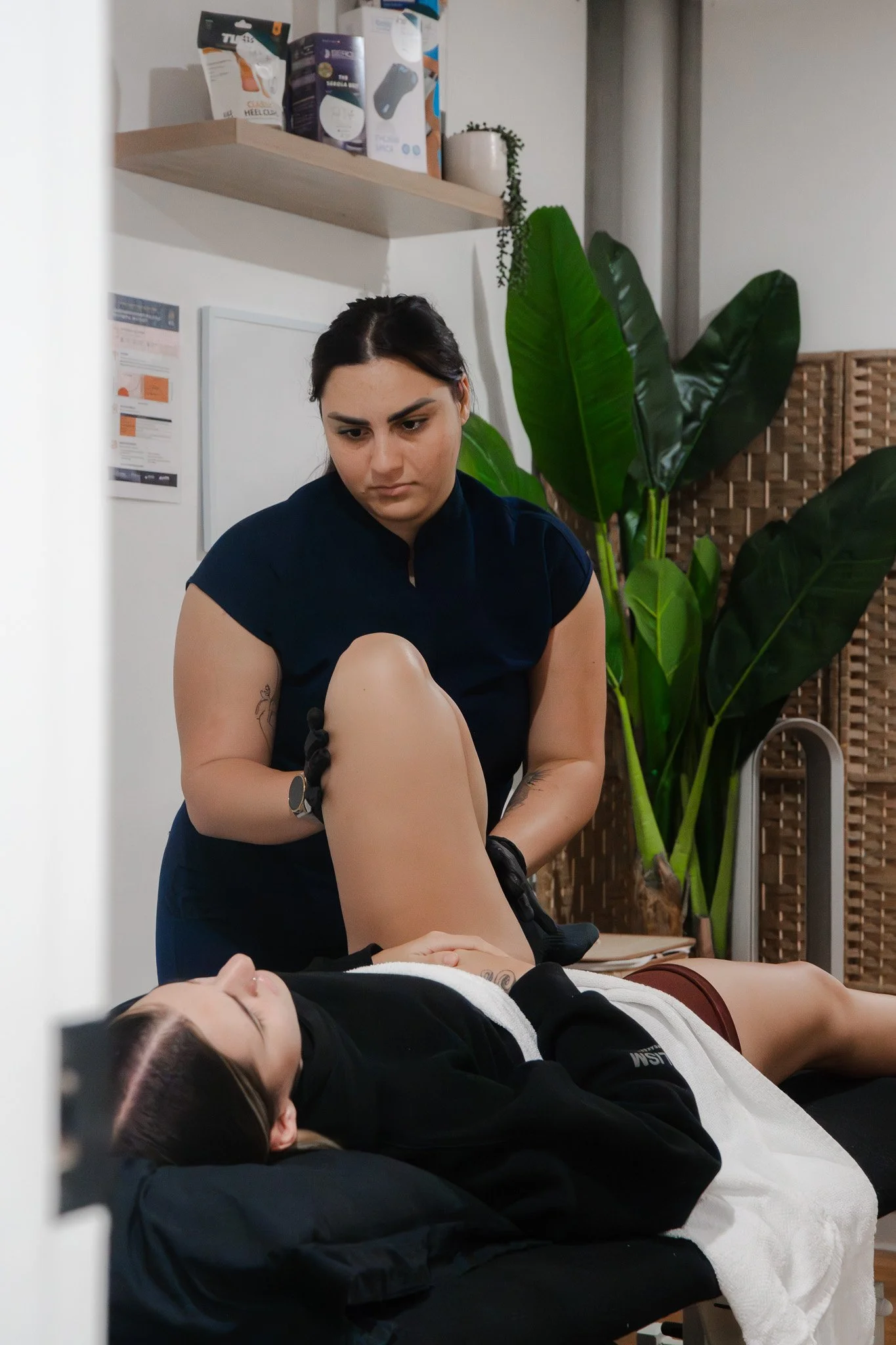
PELVIC HEALTH PHYSIOTHERAPY
PELVIC HEALTH CARE FOR ACTIVE WOMEN AT EVERY STAGE OF LIFE
From managing symptoms during high-impact sport to supporting your body through pregnancy, postpartum, and menopause, pelvic health physiotherapy helps you stay active, strong, and in control for the long run.
CONDITIONS
WE SUPPORT
PELVIC FLOOR DYSFUNCTION — INCONTINENCE & PROLAPSE
ENDOMETRIOSIS, PELVIC PAIN & PAIN WITH SEX
OVERACTIVE BLADDER
PREGNANCY SUPPORT - BACK AND PELVIC PAIN, CARPAL TUNNEL, BIRTH PREPARATION
POSTPARTUM RECOVERY, ABDOMINAL SEPARATION & RETURN TO EXERCISE
MENOPAUSE & HEALTHY AGEING THROUGH MOVEMENT
OUR PROCESS
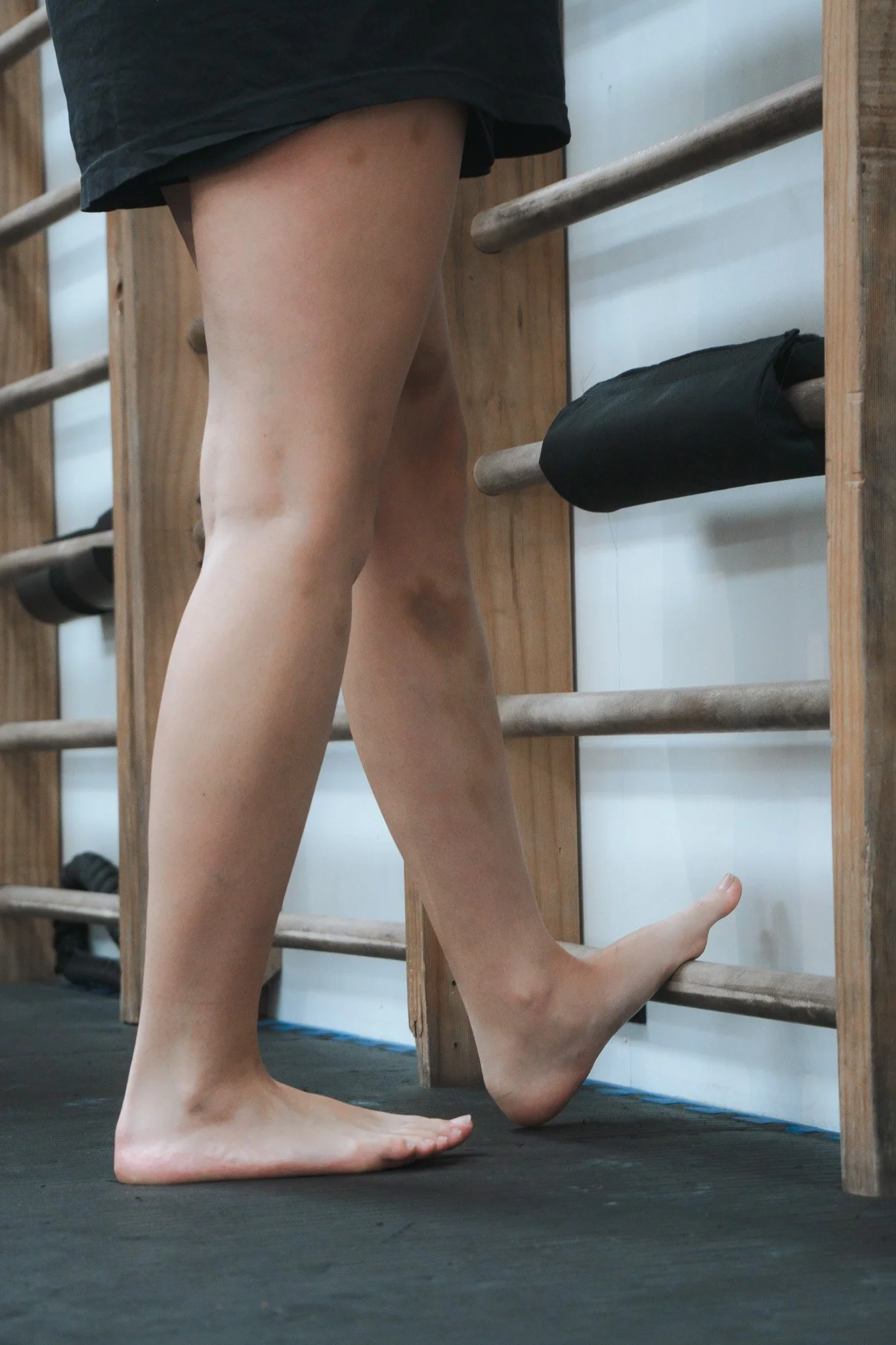
01 BOOK & ASSESS
Choose a time that works for you via our online portal. Your first appointment is a comprehensive assessment of your injury, movement, and goals.
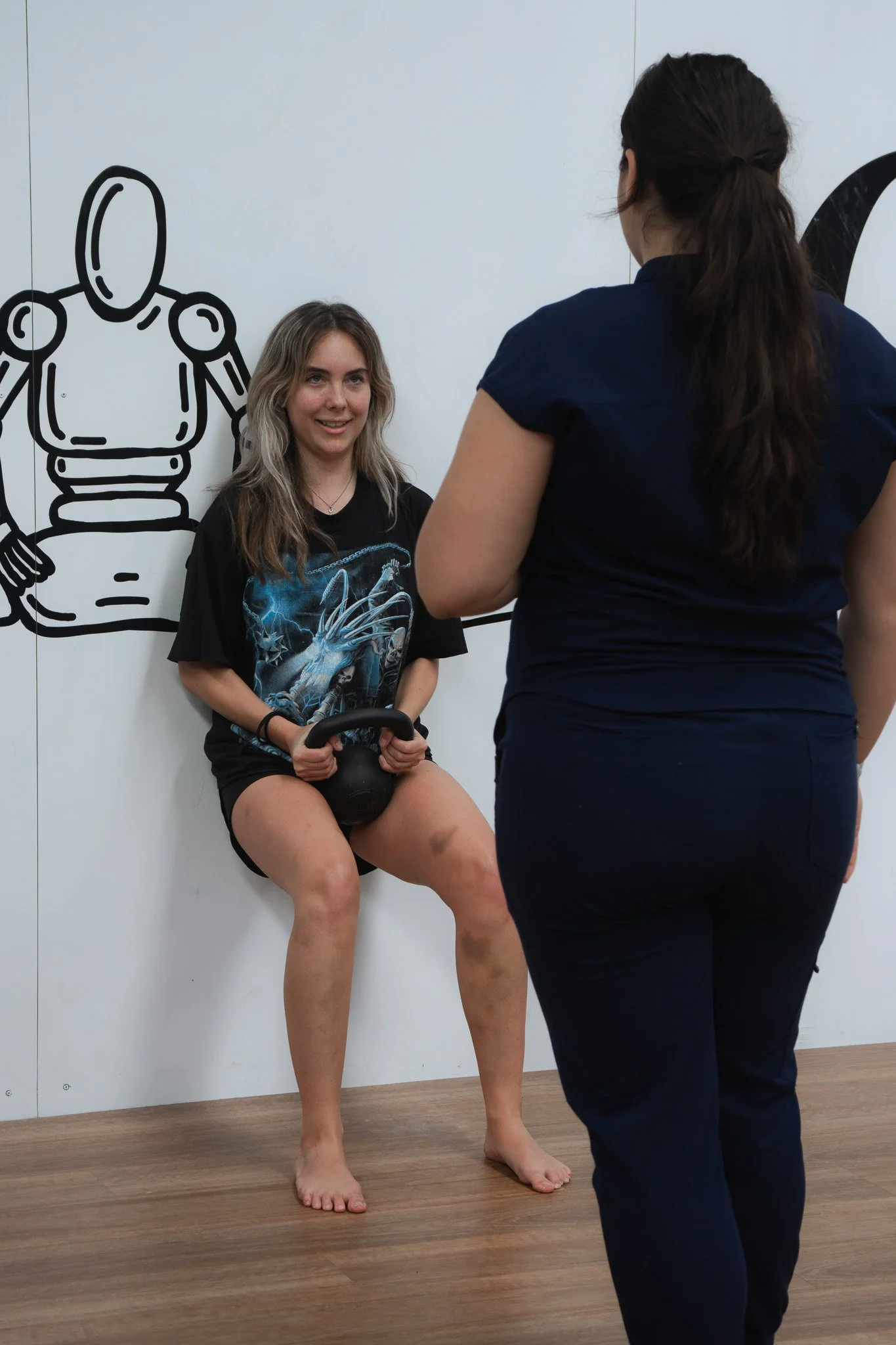
03 TREATMENT & PROGRESS
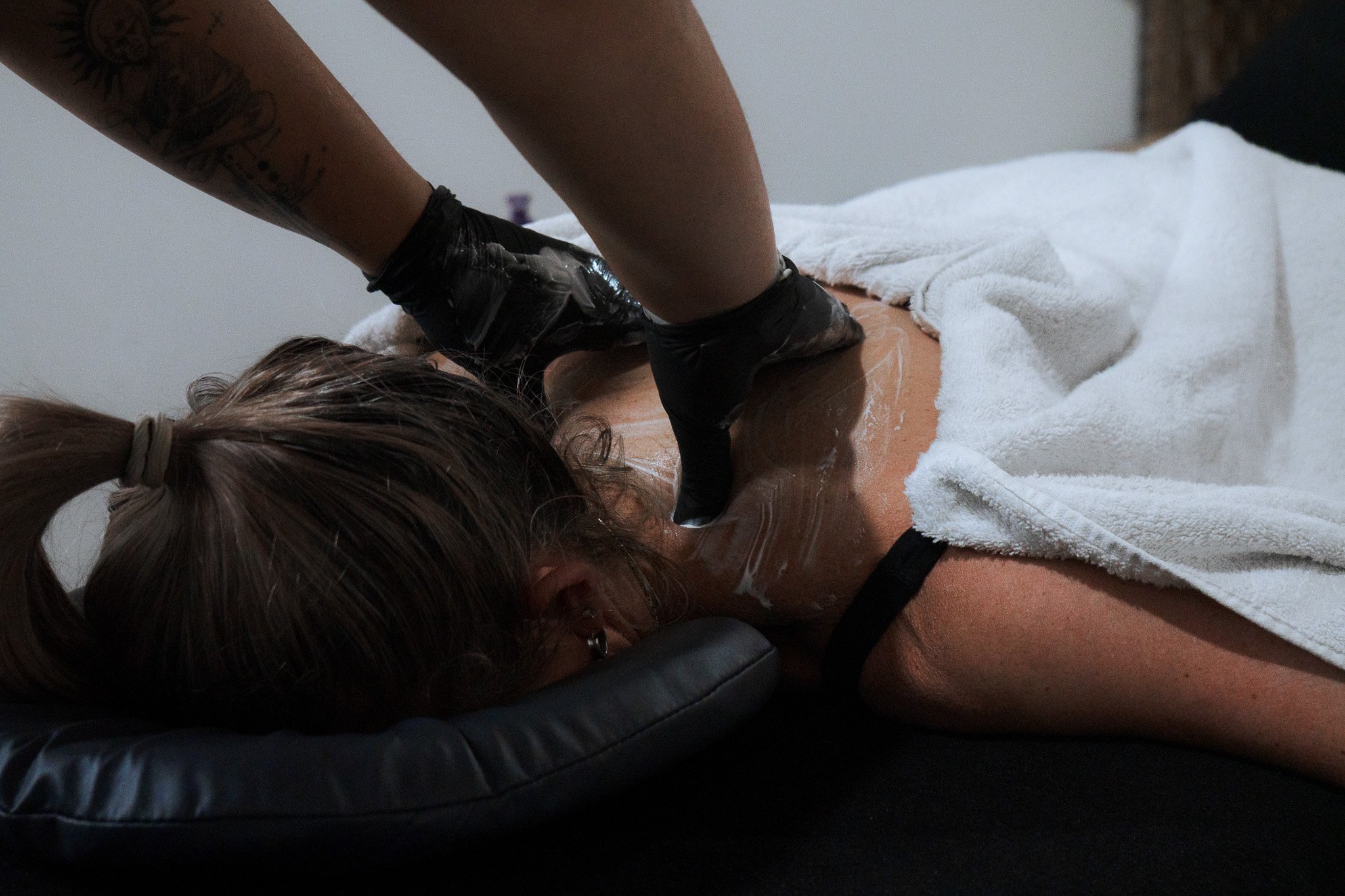
Hands-on therapy, targeted exercise, and movement retraining with continuous monitoring and adjustments to keep your recovery on track.
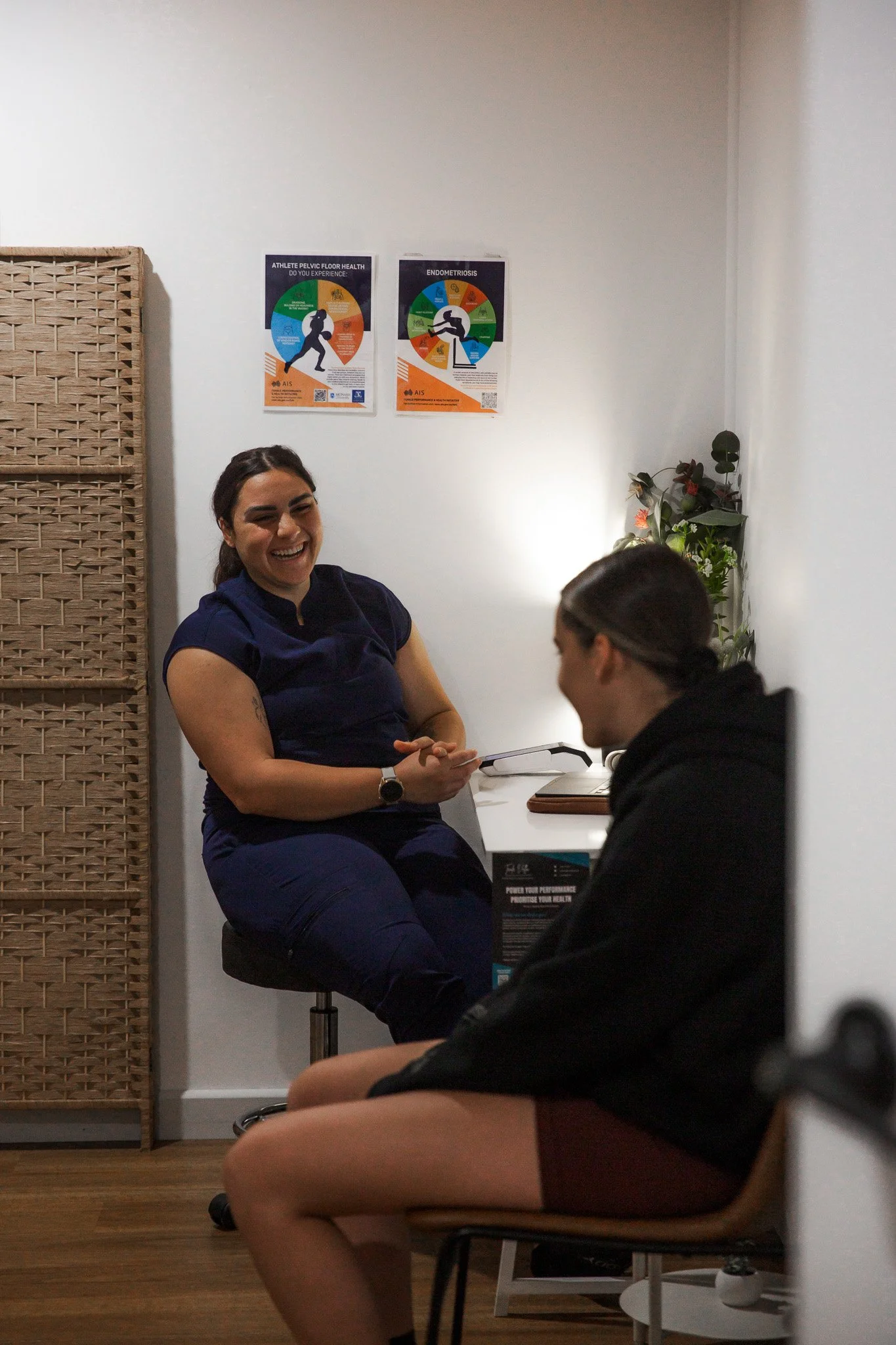
02 BUILD YOUR PLAN
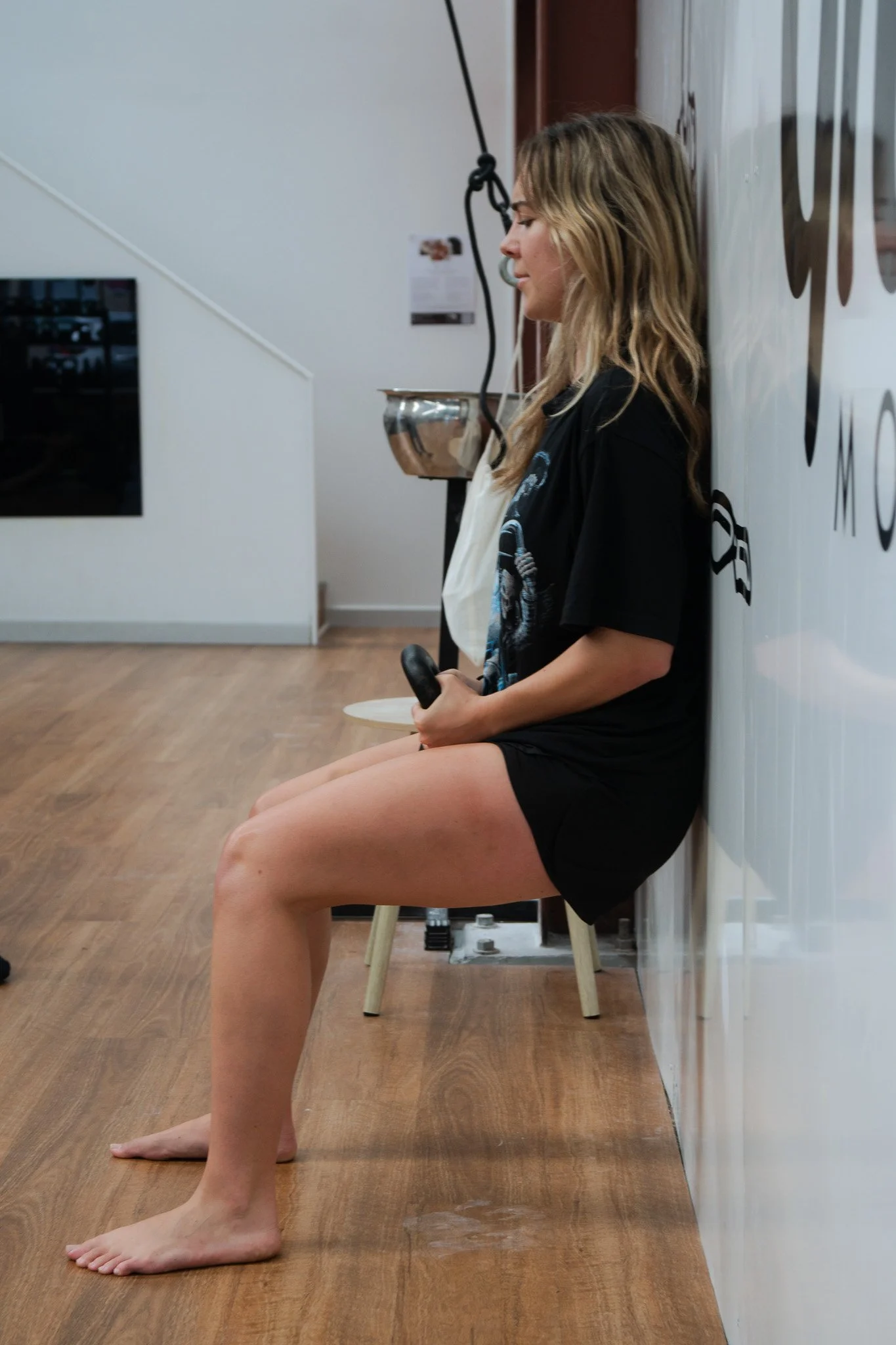
A personalised, goal-driven program built around your body, your sport, and your life. Clear milestones, honest timelines, no guesswork.
04 RETURN & PERFORM
Confident return to sport, training, or daily life with ongoing support to maintain strength, prevent re-injury, and perform long-term.
Frequently Asked Questions
-
Pelvic health physiotherapy focuses on the muscles, ligaments, and connective tissues that support the bladder, bowel, uterus, and core. A pelvic health physiotherapist is trained to assess and treat conditions affecting the pelvic floor, bladder and bowel function, pelvic pain, and movement control. Treatment may include education, targeted exercises, movement retraining, and lifestyle advice to help restore normal function and improve quality of life.
You may benefit from seeing a pelvic health physiotherapist if you experience:
Urinary leakage when coughing, running, jumping, or exercising
Pelvic pain or discomfort
Heaviness or pressure in the pelvic area
Pain with intercourse
Difficulty engaging your core or weakness after pregnancy
Persistent symptoms after childbirth
Changes related to menopause, such as bladder symptoms, pelvic floor weakness, or discomfort during exercise
Pelvic health physiotherapy supports women through all life stages — from sport and pregnancy to postnatal recovery and menopause. Seeking help early can improve recovery, prevent symptoms from worsening, and help you move and exercise with confidence
-
can see a pelvic health physiotherapist as early as the first few weeks after birth, depending on your needs. Early appointments often focus on education, gentle recovery strategies, breathing, and pelvic floor activation.
A more comprehensive postnatal assessment is commonly recommended at around 4- 6 weeks postpartum, once your body has had some initial time to recover. Pelvic health physiotherapy can help support safe return to exercise, recovery from birth, and management of symptoms such as leaking, pain, or abdominal separation.
-
Yes. Research shows that telehealth pelvic health physiotherapy can lead to significant improvements in symptoms, pelvic floor muscle strength, and quality of life for women with pelvic floor conditions. Virtual sessions let you receive expert guidance, exercise programs, and progress monitoring from anywhere, which is perfect for busy mums on-the-go or those without caring arrangements. Many patients also combine telehealth with occasional in-person sessions for the best results
-
You can still attend pelvic physiotherapy while menstruating. If you feel uncomfortable with certain assessments or treatments during your period, just let your physiotherapist know — your session can easily be adjusted or modified. We also understand that some pelvic health conditions involve irregular or persistent bleeding, and appointments can still be conducted safely. Clinics follow strict hygiene protocols to ensure care is provided in a respectful and comfortable environment.
-
Your appointment will begin with a detailed discussion about your symptoms, health history, training, and goals. This is followed by a movement and physical assessment to understand how your body, core, and pelvic floor are functioning. If indicated and with your consent, an internal pelvic floor assessment may be performed to accurately assess muscle strength, coordination, and control. However, an internal examination is not always required, and your physiotherapist will discuss all options with you so you feel comfortable throughout the assessment. The findings help guide a personalised treatment and exercise plan to address your symptoms and support your recovery or performance.
-
We get it, sometimes you don't have a choice. There's plenty of space for prams and little ones are welcome.
For pelvic health assessments specifically, it can be easier to attend without them if you're able to arrange it, simply so you can focus fully on your appointment. But if that's not possible, don't let it stop you from coming in.
YOU DON’T JUST HAVE TO MANAGE IT
Support is available whether you've been dealing with symptoms for years or just started noticing something is off. Book your appointment and take the first step.